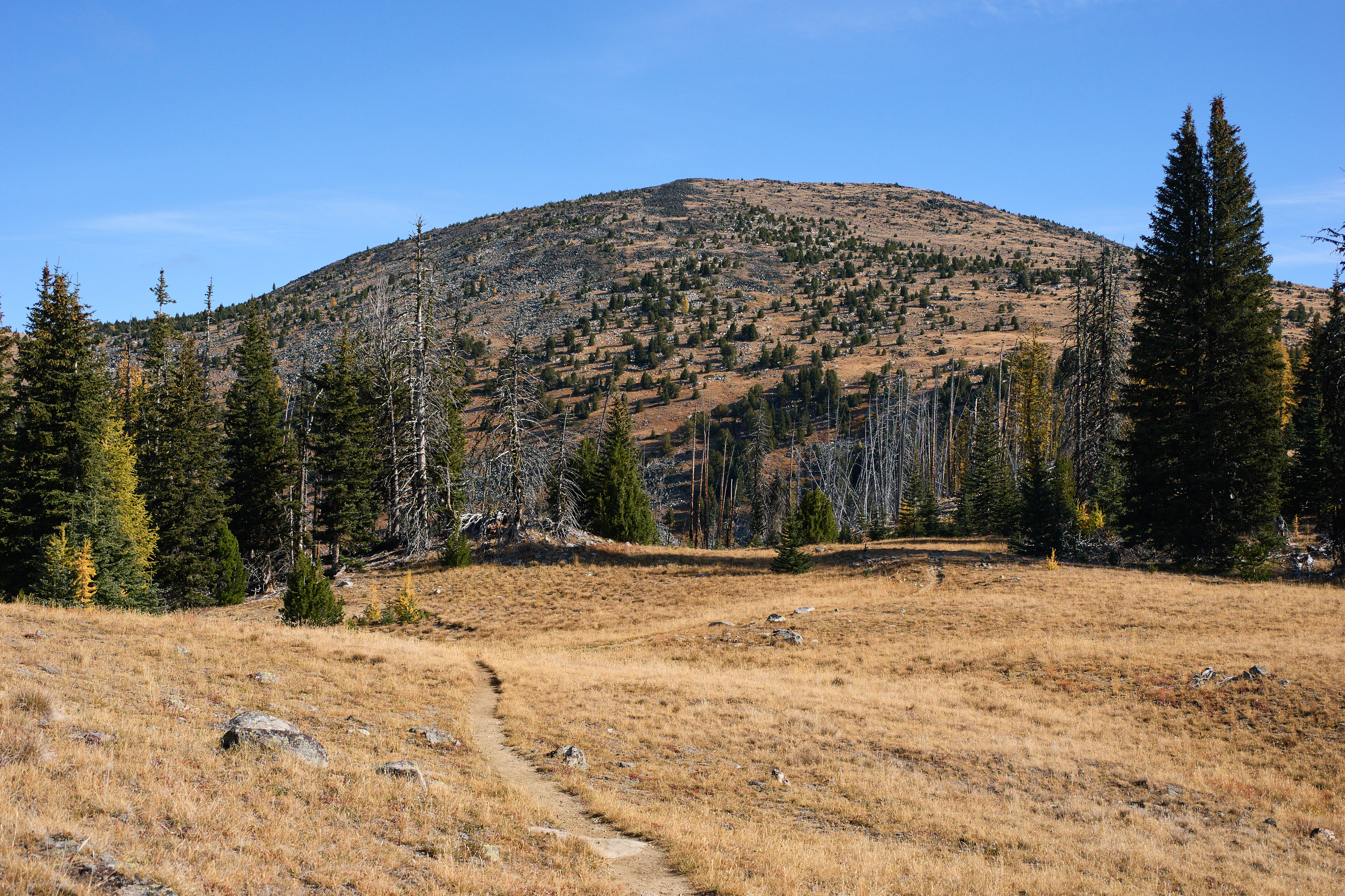
tiffany mountain is located in the okanogan national forest. despite the mountain's gentle southwest slopes and easy approach, the summit is over 8,200ft and the area is a very localized alpine tundra. it gets little precipitation, a bit over 30 inches per year on average. i set out here to look for Dactylina ramulosa, an alpine, terricolous lichen last recorded here in 1996, but did not find it. however, there were many other delights to be had in this easy to access alpine tundra.
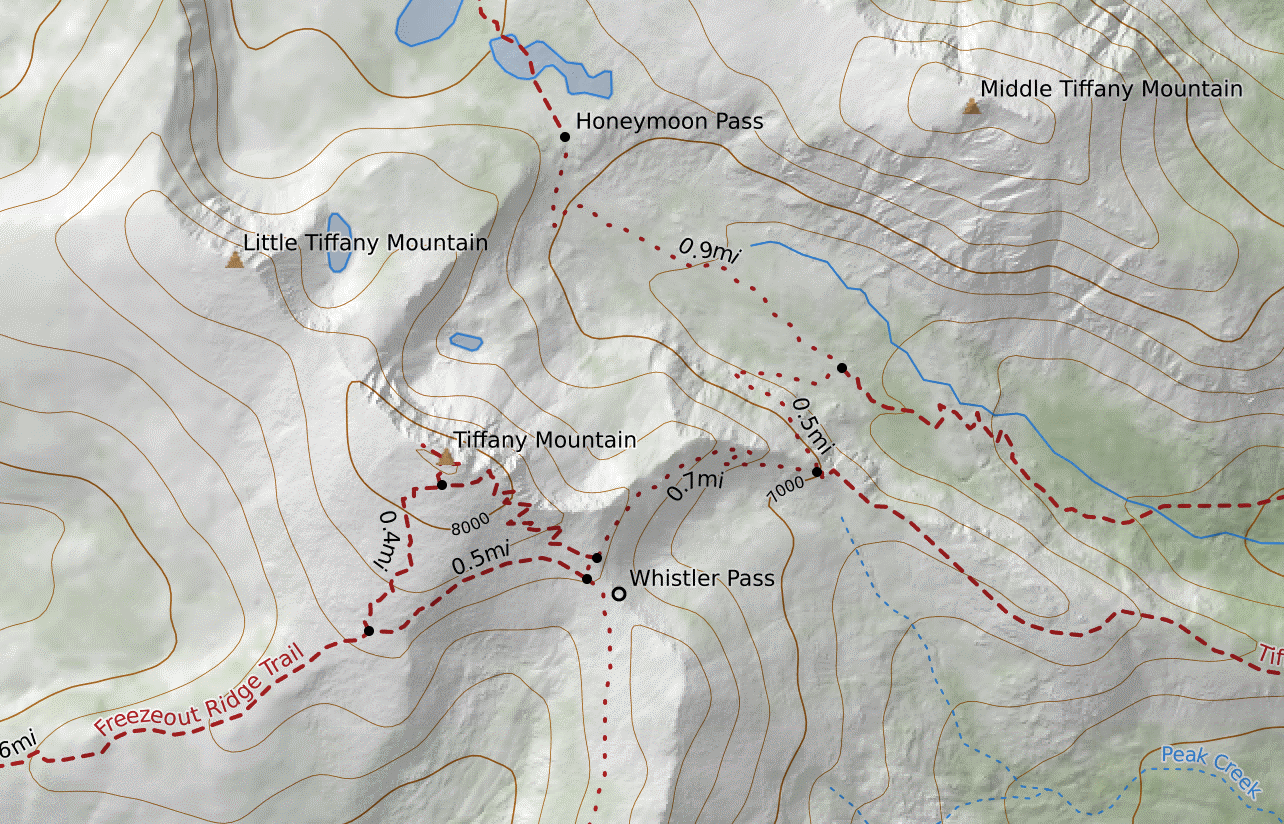
the hike up tiffany goes through alpine grassland; while the southwest side is vegetated, the summit itself is mostly talus, with the steep north face providing little support for vegetation.
on the sides of tiffany grows some lichen typical of montane eastern washington, including Cetraria sphaerosporella, Nodobryoria abbreviata and others. whistler pass, which climbs around the south side of the mountain, also had lots of cyanolichen, including Solorina crocea and Peltigerae ventosa.


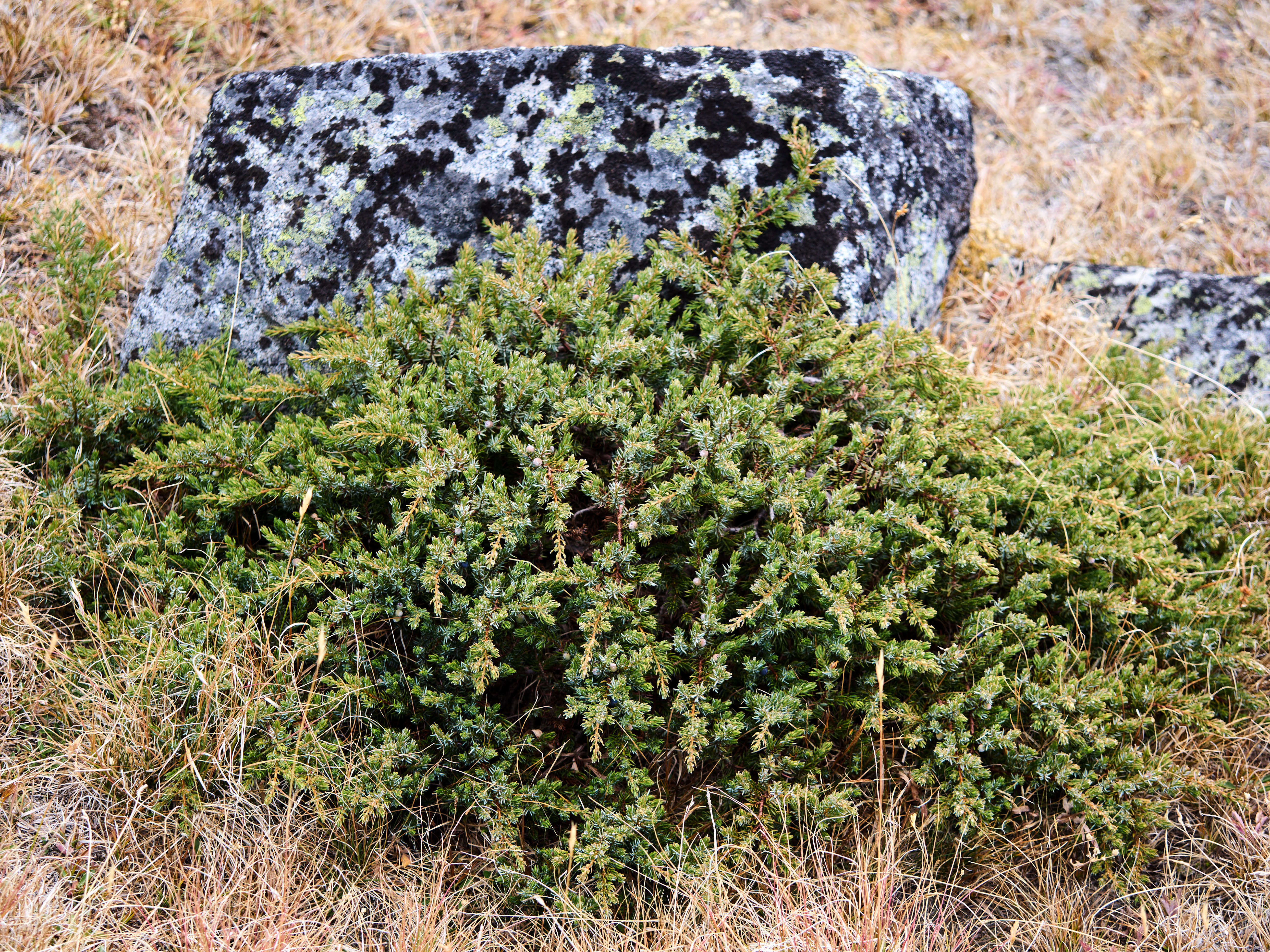
tiffany has typical high alpine conifers of the region. you'll find plenty of engelmann spruce, whitebark pine, subalpine larch, as well as some common juniper.
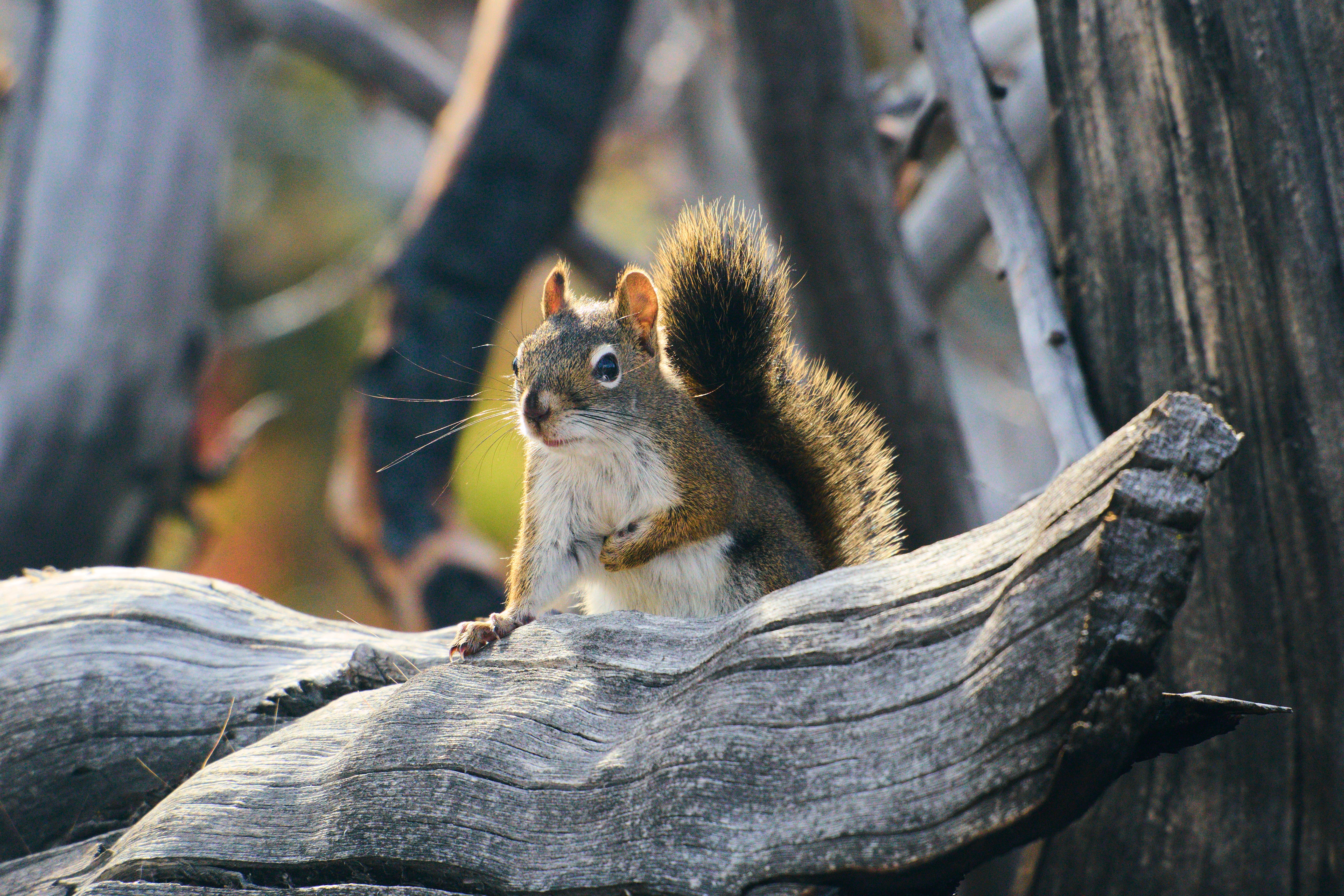
on the way up, keep your eyes and ears peeled for some american red squirrels. these are a relative to the douglas squirrel; this far east, you'll only find american red squirrels.
the peak of tiffany is where the real fun begins. due to its cold, high elevation habitat, tiffany provides a refugium for alpine lichens. here you can find several Cetraria species, Rhizoplaca melanophthalma, Thamnolia and other usual suspects.


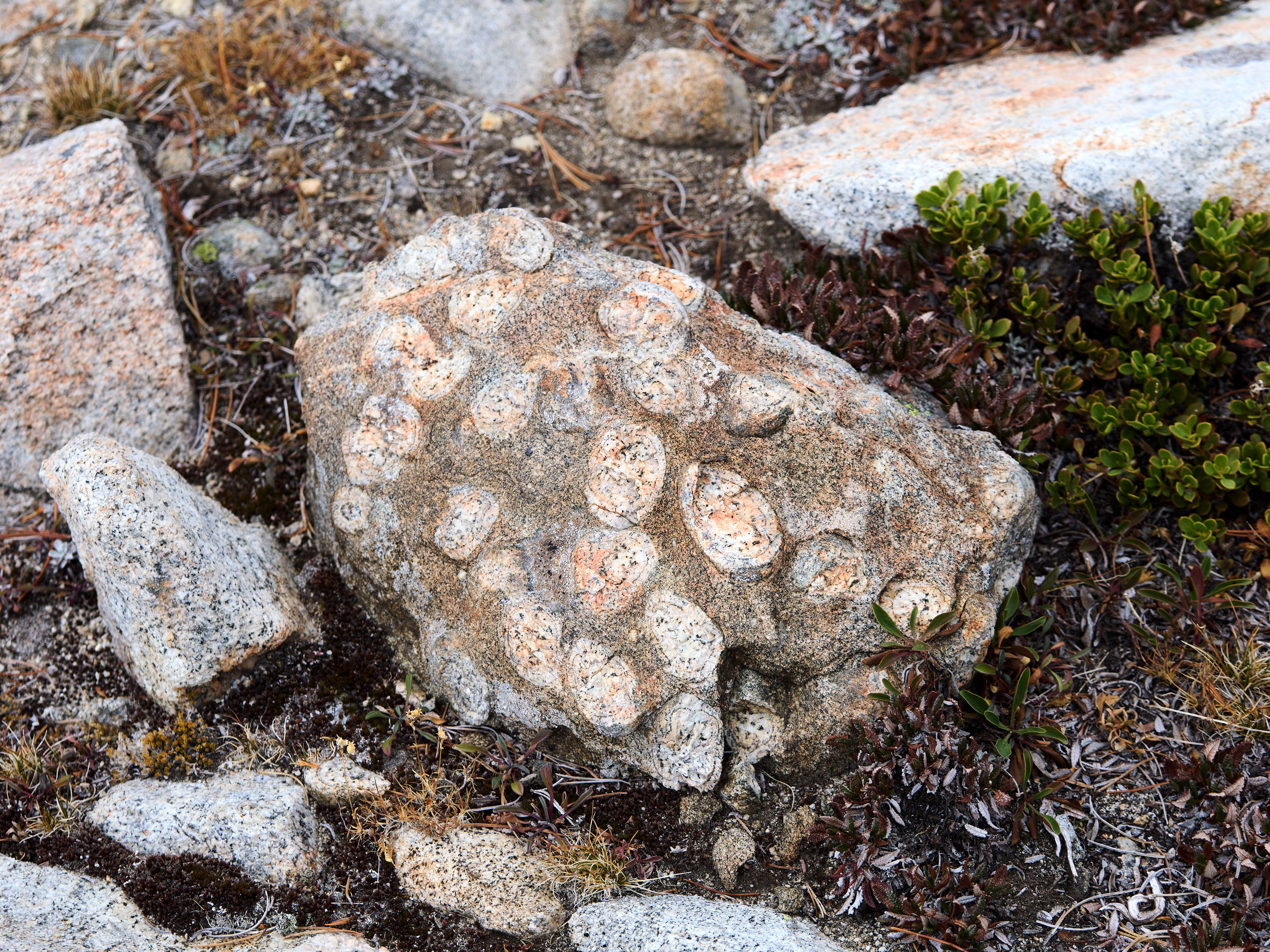
tiffany mountain is part of a group called the "tiffany mountain complex", made up of a type of tonalite called trondhjemite. this rock makes up a part of a large, cretaceous pluton called the okanogan batholith complex.

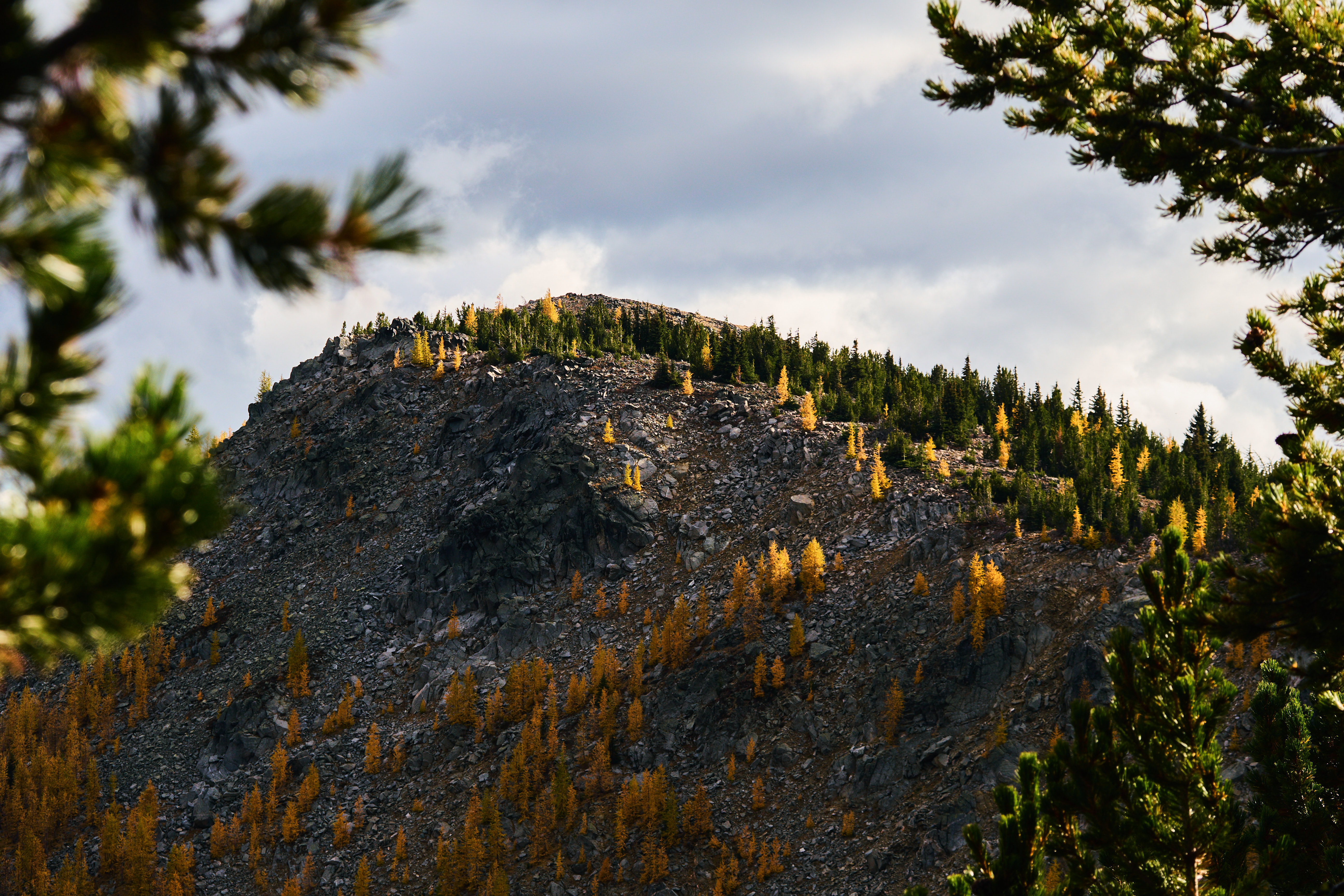
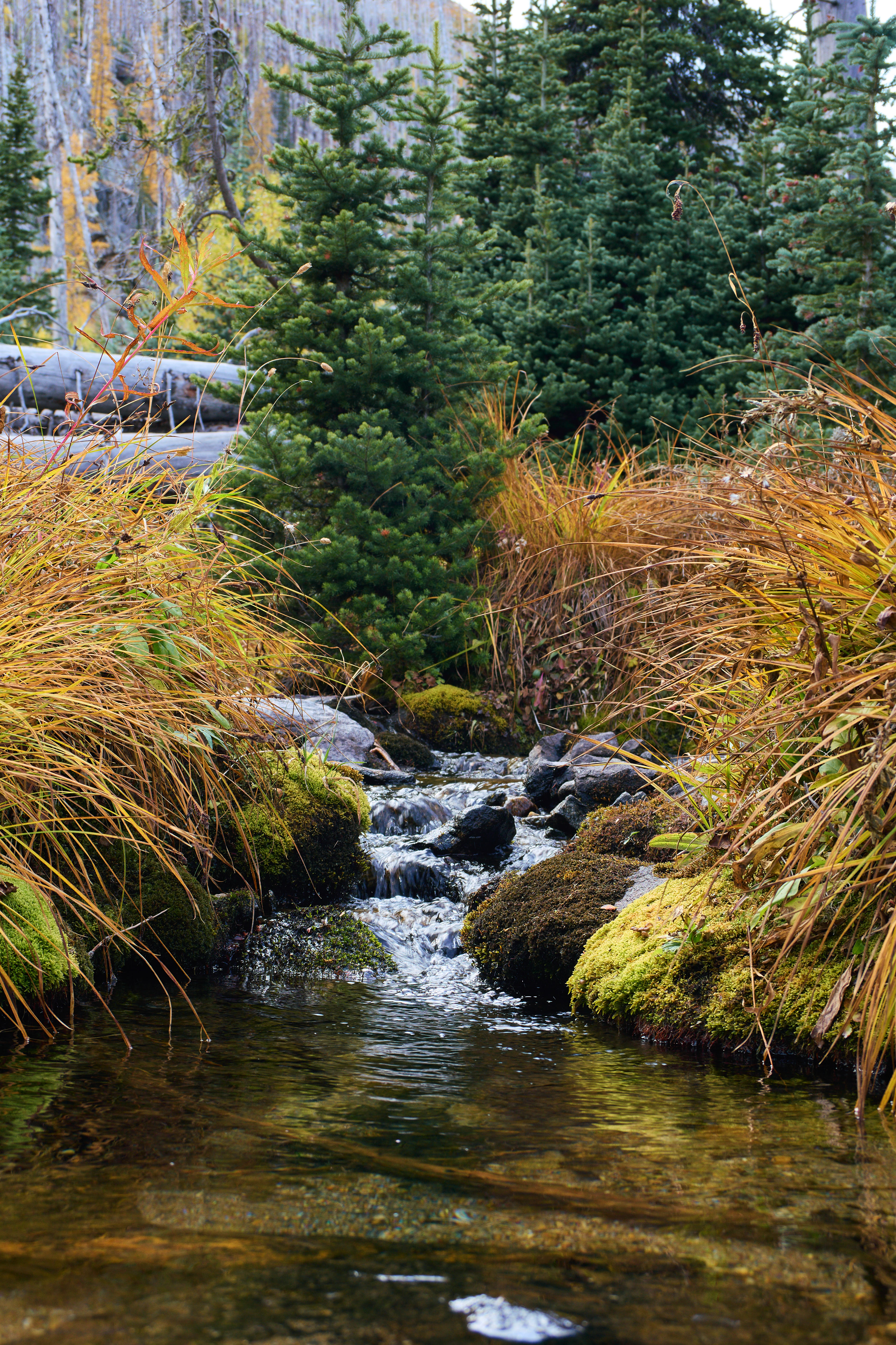
the northwest side of tiffany is a small valley, which has tons of larch but is also a recoverying burn area. i found a large stand of trembling aspens here, with lots of vegetation around the small stream here.


i found out recently that a few lichenologists did a survey about a decade before my visit, including jason mollinger, erica heinlen, and nastassja noell, who wrote about it here. highly recommend checking their article out! they found Cetraria nivalis, which i didn't notice on my trip (though i did find C. cucullata). it seemed they also didn't find Dactylina ramulosa, though it might just be rare here.